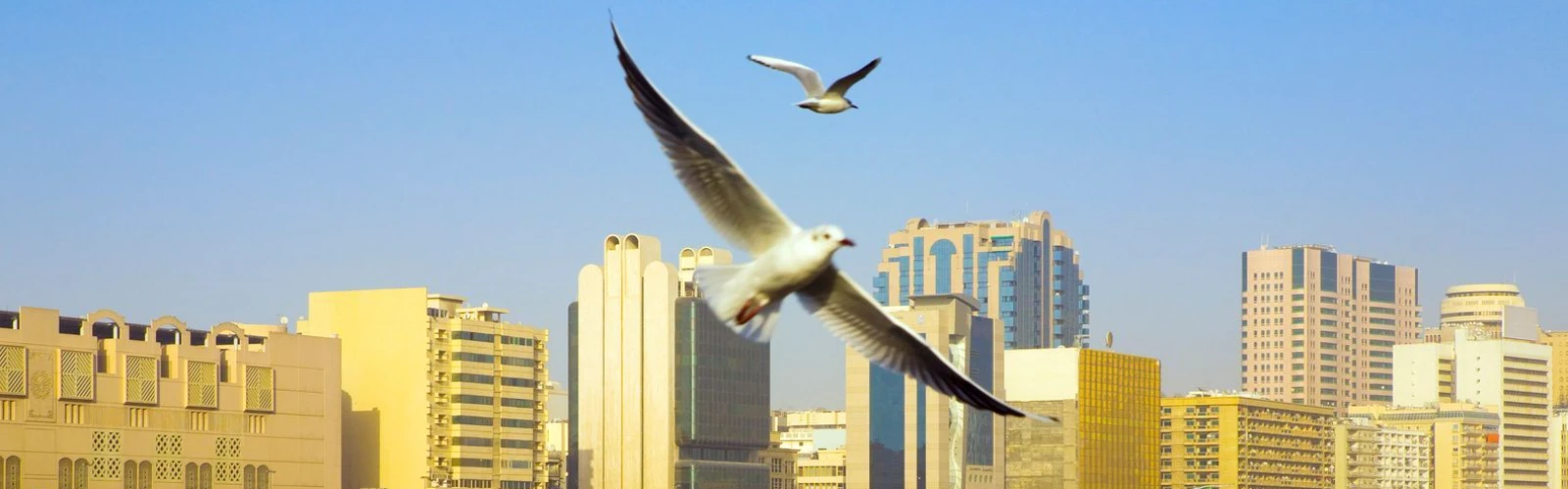
Old Dubai vs. New Dubai: A Contrast of History and Futuristic Skyline

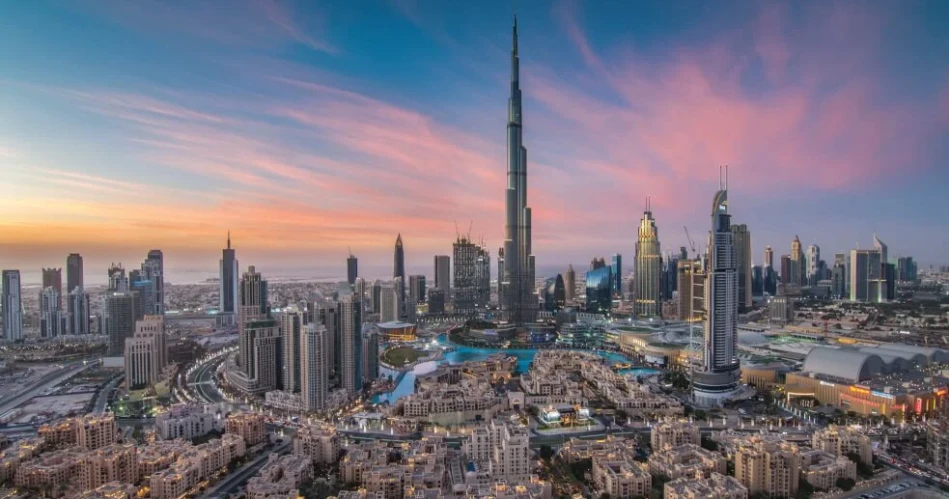
Two sides of Dubai, one unforgettable city—swap souks for skyscrapers and see just how wildly Dubai does contrast.
Dubai is a land of surprising contrasts, combining the ancient and the unique innovations of our time. From the small streets and busy souks with historical wind towers found in the historic part of Dubai to the high buildings and modern constructions of Dubai that are famous for their stunning contemporary architecture, a visit here is synonymous with lots of fascinating stories at every single step. While exploring Dubai, you can find yourself in the Old Dubai area and the New Dubai area as if you were traveling in time.
Old Dubai represents the tradition and charm of this region, presenting picturesque spice markets, which are absolutely distinct from the popular luxurious sights of New Dubai, abounding in modern architecture and high-end entertainment. The ability to stroll along Dubai Creek or visit the beautiful new buildings of the city makes your impression of both Old and New Dubai unique!
Old Dubai
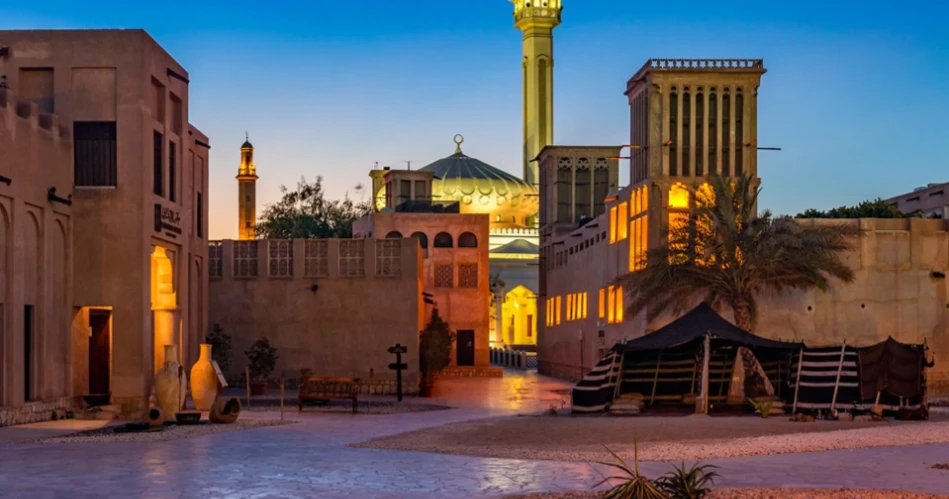
Old Dubai consists of three major historical areas: Al Fahidi Historic Neighborhood, Bur Dubai, and Deira. The places are characterized by their traditional industries and institutions, and the historical buildings and fabric of Dubai that date back to before oil was discovered and skyscrapers were built. The narrow streets, souks, and wind towers in Old Dubai give a glimpse of the economic and cultural environment in which modern-day Dubai was born.
Old Dubai is composed of a number of historical neighborhoods, including Al Fahidi Historic Neighborhood, or Al Bastakiya, and others. These areas are an excellent representation of what Dubai was like before oil was discovered in the early 1930s and led to its transformation into a modern city of skyscrapers and business.
Major Features of Old Dubai
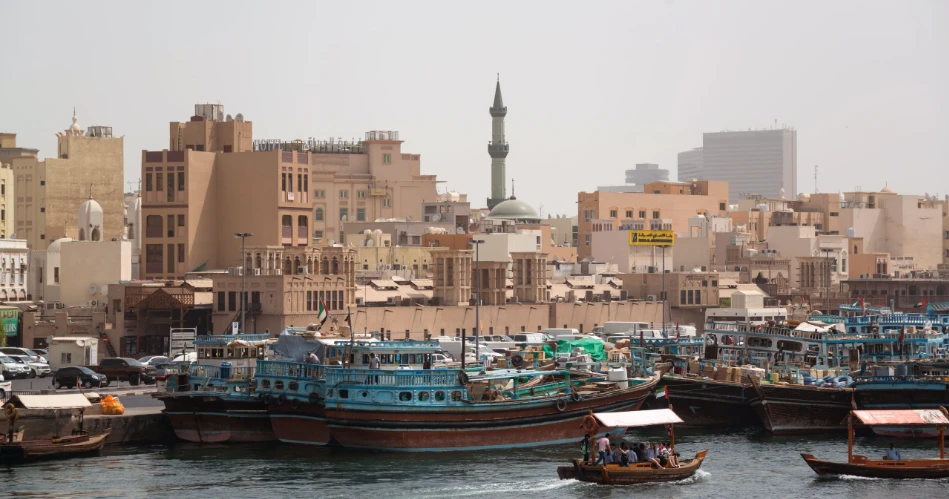
Old Dubai is known for its rich heritage, traditional architecture, and vibrant cultural experiences. From historic wind-tower houses and narrow lanes to bustling souks and Dubai Creek, the area offers a glimpse into the city’s fascinating past. Its traditional charm beautifully reflects the culture and lifestyle of Dubai before the rise of its modern skyline.
Original Arabian Culture
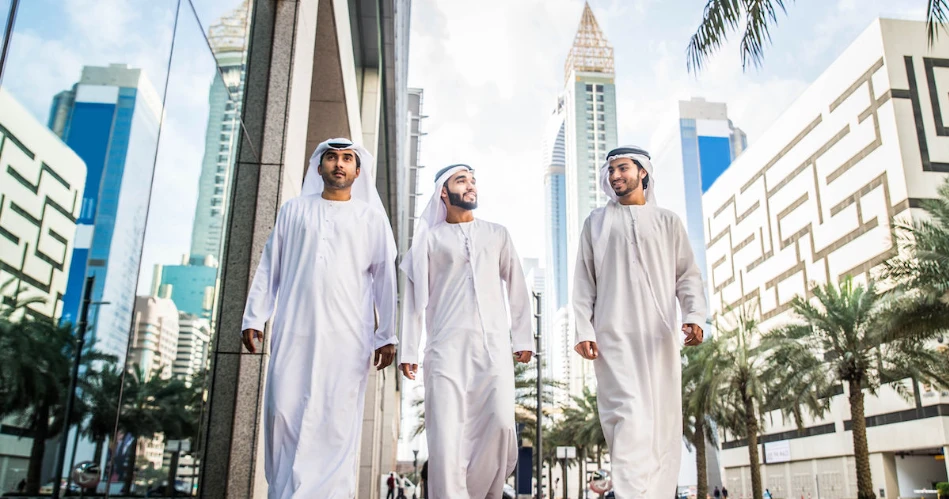
Old Dubai is home to many features and practices that existed there long before the skyline formed. One can barely see them in the Al Fahidi Historical Neighbourhood, where houses with wind towers are evidence of how people used various design principles to ensure their houses were naturally ventilated long before the arrival of modern air conditioning systems.
A walk along narrow streets, historic buildings, art galleries, and cultural sites will let you learn many things about bygone Dubai. Close to this area, the Dubai Museum describes how the emirate grew from a small fishing and trading settlement into a major city.
Address: Al Fahidi Historical Neighbourhood, Dubai, United Arab Emirates.
Traditional Souks (Markets)
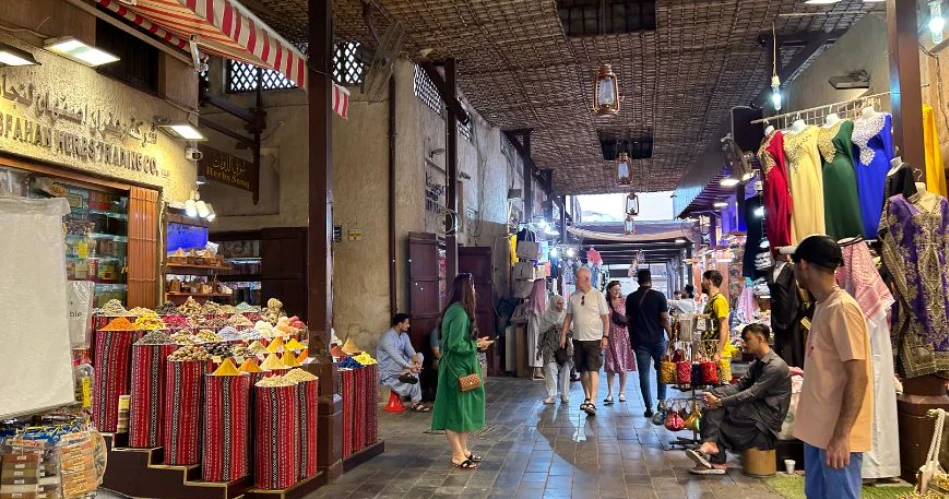
Old Dubai exemplifies the trading legacy of the region through its traditional souks. The Gold Souk is where one can find elaborate jewelry made out of gold, but not too far from the Gold Souk, visitors can lose themselves in the vastness of the Spice Souk, where aromatic spices, herbs, oils, and other fragrant ingredients fill the air.
Visitors can shop for other wares such as textiles, traditional perfumes, and some unique souvenirs while strolling down the narrow cobblestone streets of the souks. The Textile Souk also provides visitors with many fabrics. Bargaining is a major component of shopping at these souks since it allows buyers to negotiate prices.
Address: Deira, Dubai, United Arab Emirates (Gold Souk and Spice Souk); Bur Dubai, Dubai, United Arab Emirates (Textile Souk).
Dubai Creek Experience
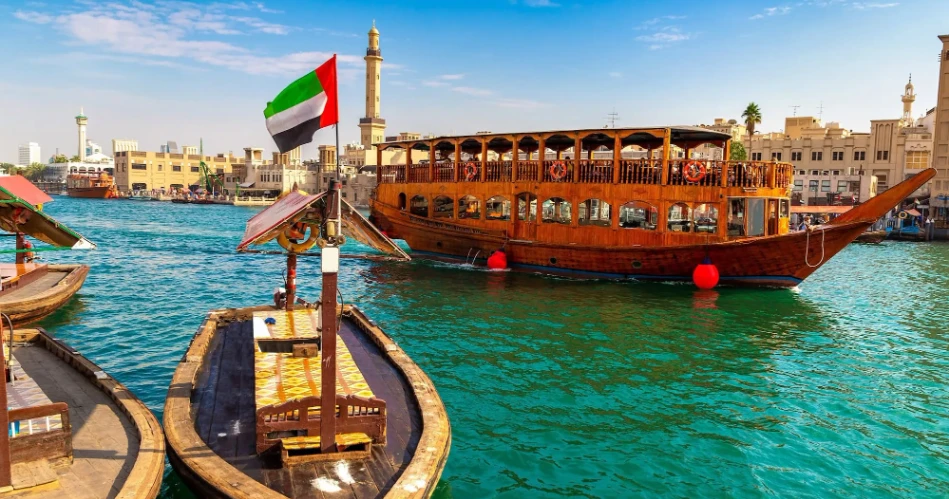
Dubai Creek is arguably one of the main features of Old Dubai, given its importance in the city's history as a trading city. A ride in one of the traditional wooden abras allows tourists to experience the sights from the water while crossing the Creek, which brings Deira and Bur Dubai together while showcasing the history of transport systems employed in the city.
Address: Dubai Creek, Dubai, United Arab Emirates.
Budget-Friendly Places to Eat in Old Dubai
Old Dubai is the place to find some of the best cheap food in the city, especially in its bustling streets and traditional souks. Here, diners can sample dishes from small restaurants offering Emirati cuisine, as well as other local specialties.
What Are the Top Sites to Visit in Old Dubai?
Old Dubai showcases its true colors via different historical monuments, architectural masterpieces, and cultural experiences associated with its past in the trade industry. Below are the main places to visit there.
Gain an Insight into Emirati Culture and Traditions
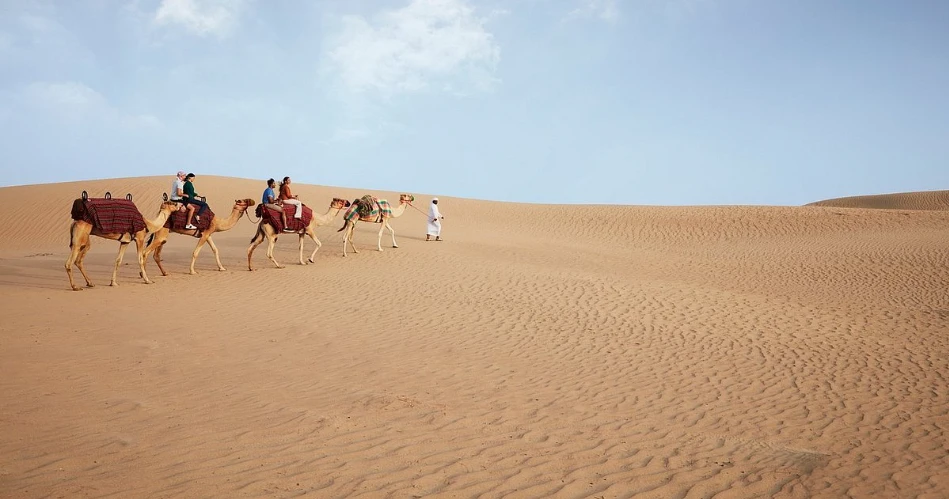
You can learn more about the culture of Dubai’s people at Sheikh Mohammed Centre for Cultural Understanding and Al Seef. Sheikh Mohammed Centre for Cultural Understanding offers different cultural dining experiences where you can learn about the Emirati way of life and enjoy a meal together with others. Al Seef is a unique combination of traditional architecture and modern-day amenities, such as shops and restaurants.
Address — Sheikh Mohammed Centre for Cultural Understanding: Al Mussallah Road, Al Fahidi, Dubai, United Arab Emirates.
Address — Al Seef: Al Seef Street, Bur Dubai, Dubai, United Arab Emirates.
Explore the Jumeirah Mosque
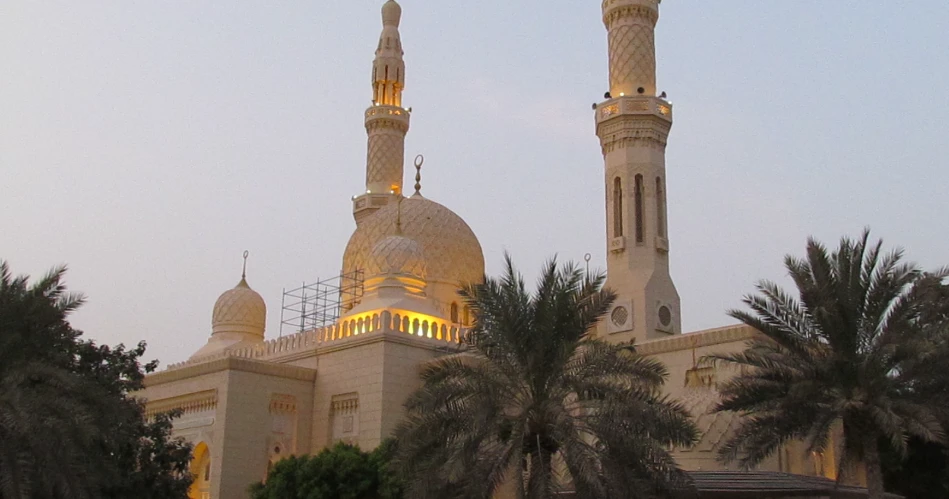
Jumeirah Mosque is famous for its unique white stone architecture and for having guided tours that help guests understand Islamic customs and the culture of the mosque. The tours provide visitors who are not Muslim with the chance to visit the interior of the mosque and to learn about local religious customs.
Address: Jumeirah Beach Road, Jumeirah 1, Dubai, United Arab Emirates.
Experience Dubai Creek by Abra at Sunset
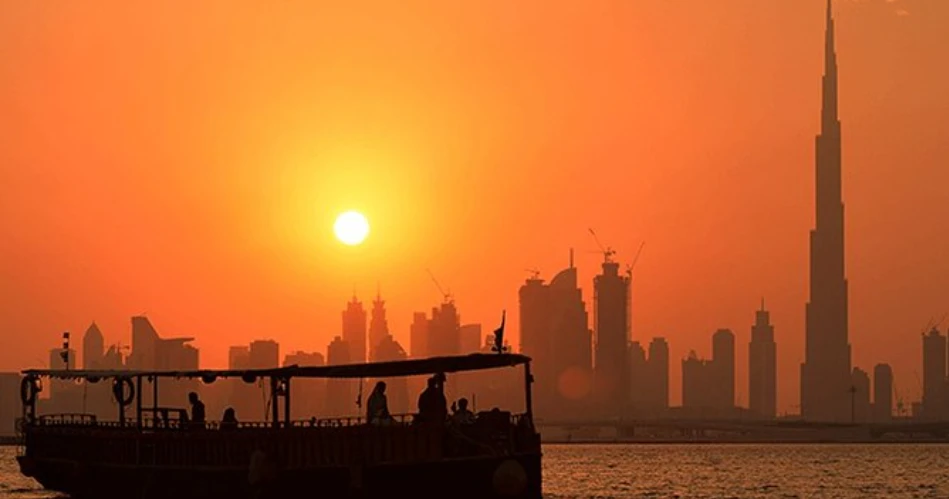
Watching the sunset gives a new perspective on Old Dubai while riding a traditional boat known as an abra on Dubai Creek. The trip takes one through historic waterfront areas while images of gold are reflected on the waves of the water.
Address: Dubai Creek, Dubai, United Arab Emirates.
What Should Tourists Do and Not Do When Visiting Old Dubai?
When visiting Old Dubai, tourists have to wear modest clothes, especially in religious areas and other areas with traditional architecture and carry cash for small purchases anywhere in the market. Tourists must bargain when shopping, as it is part of buying goods in the souks. By walking through Old Dubai’s cobbled streets, tourists will also be able to appreciate the old buildings, streets, and movement in the markets, which would be impossible if they took a car. However, tourists must be careful and not take pictures of the locals without their approval, as well as be mindful that the prices in the market are not always fixed.
New Dubai
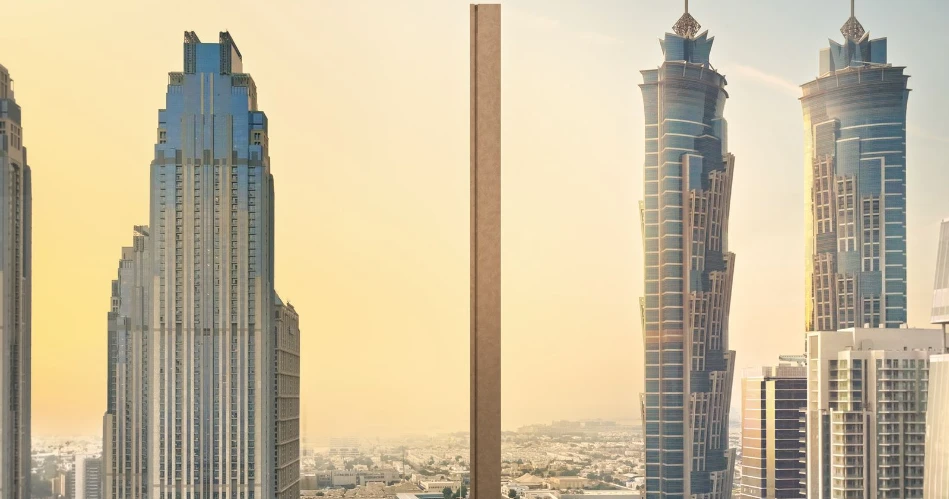
New Dubai expresses the contemporary character of the metropolis via eye-catching architecture, luxurious projects, and impressive attractions. Notable neighborhoods, including Dubai Marina, Downtown Dubai, and Palm Jumeirah, represent some of the most famous landmarks, bringing a waterfront lifestyle, skyscrapers, exclusive hotels, leisure, and shopping options. Characterized by the large skyline and various major developments taking place there, this part of the city represents the vision of modern living, very extravagant and exclusive.
Characteristics of New Dubai: The Architectural Wonders
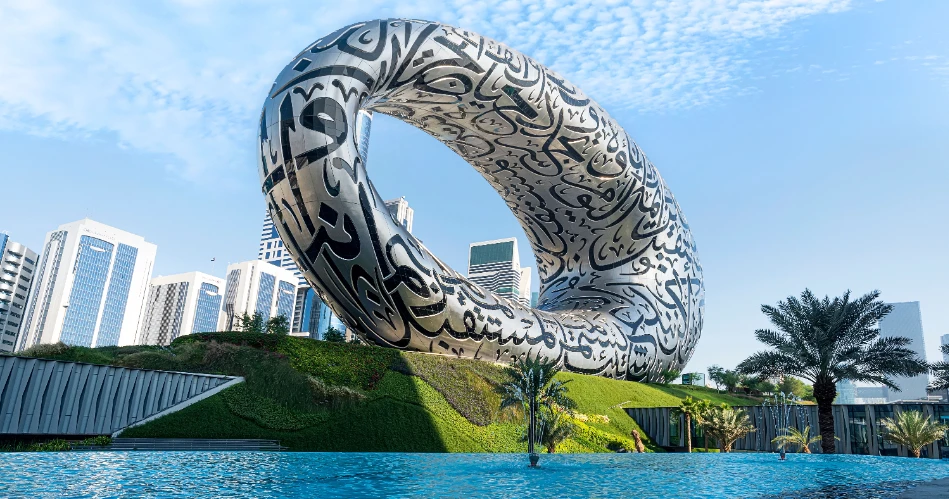
The skyline of New Dubai is home to the most remarkable achievements of architecture in the metropolis, as exemplified by Burj Khalifa, the highest building in the world, which is a centerpiece of Downtown Dubai. Alongside it, many exceptional skyscrapers and contemporary buildings contribute to the unique skyline made up of the most advanced architectural engineering and futuristic design. On the ground level of Burj Khalifa is Dubai Mall, which offers more than just great shops. There is the Dubai Aquarium, an Olympic-sized skating rink, many restaurants, and leisure venues. Other prominent buildings, such as Burj Al Arab, also contribute to building the modern image of Dubai.
Address — Burj Khalifa: 1 Mohammed Bin Rashid Boulevard, Downtown Dubai, United Arab Emirates.
Address — Dubai Mall: Financial Centre Road, Downtown Dubai, United Arab Emirates.
Address — Burj Al Arab: Jumeirah Street, Dubai, United Arab Emirates.
Shopping and Luxury
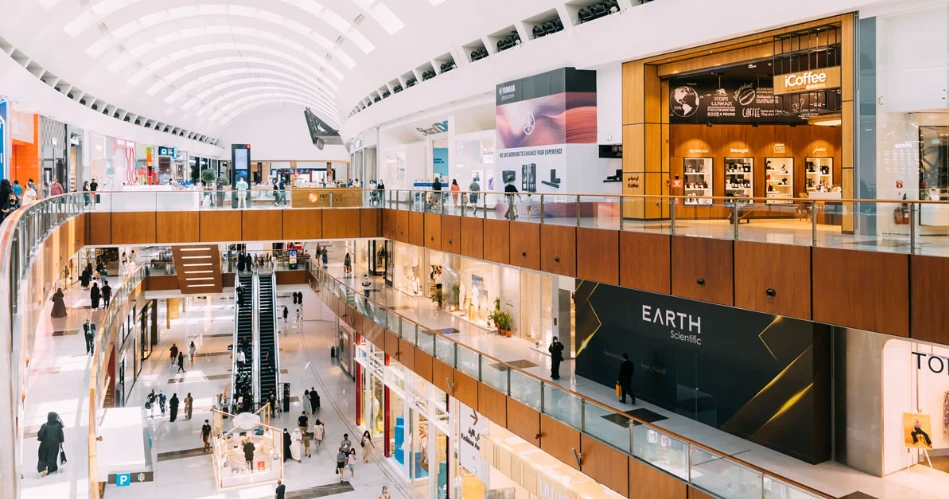
The new Dubai is a chic place with luxurious shops, flamboyant fashion, and exclusive places to stay and leisure activities around the major attractions of the city. Visitors may enjoy shopping at designer stores and upscale shops in addition to nearby five-star hotels. At the Mall of the Emirates, visitors will get a different experience by visiting Ski Dubai, where they can go into a snow-filled resort to ski in the snow.
Address — Mall of the Emirates: Sheikh Zayed Road, Al Barsha 1, Dubai, United Arab Emirates.
Address — Ski Dubai: Ground Floor, Mall of the Emirates, Sheikh Zayed Road, Al Barsha 1, Dubai, United Arab Emirates.
Waterfront Living
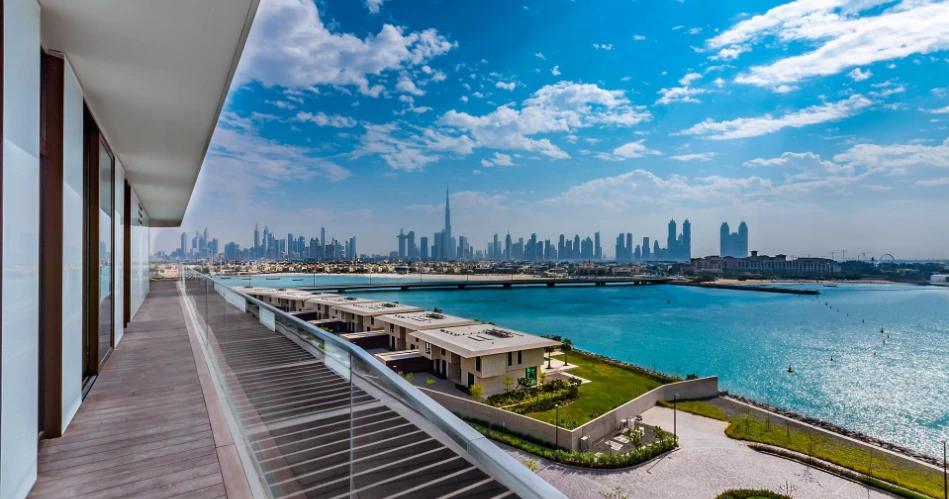
New Dubai combines artificial constructions with stylish recreational places on the coast. The artificial island of Palm Jumeirah in the shape of a palm tree has luxurious hotels, private beaches, waterfront flats, and exclusive beach clubs overlooking the Arabian Gulf. Dubai Marina offers a different kind of waterfront where luxury yachts, skyscrapers with lights, and a busy promenade form a captivating urban scenery. Visitors and residents can enjoy trips on yachts, evening entertainment, waterfront dining, and picturesque walks along the Marina.
Address — Palm Jumeirah: Palm Jumeirah, Dubai, United Arab Emirates.
Address — Dubai Marina: Dubai Marina, Dubai, United Arab Emirates.
The Shimmering Nightlife
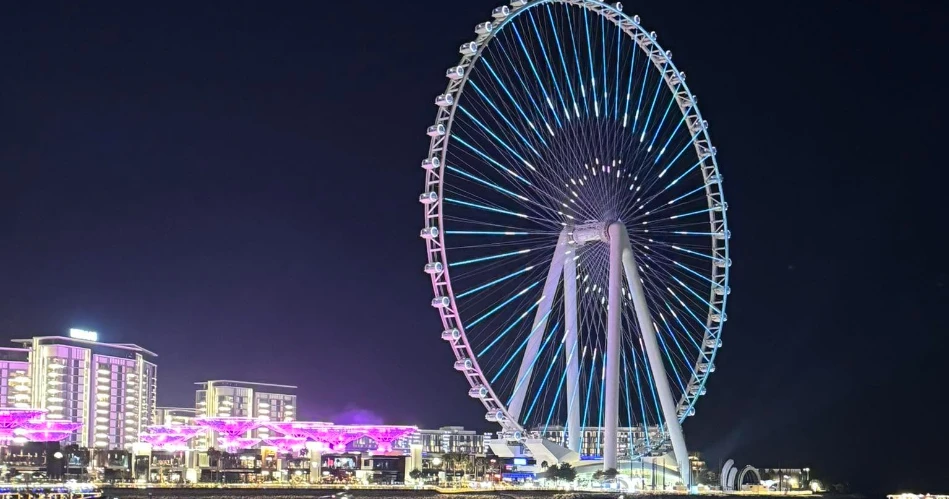
The new Dubai entertainment landscape transforms into its night-time sheen with swanky rooftop spots, live concerts, private parties, and chic and classy nightlife, making it the ultimate destination for the evening. The area boasts classy bars with stunning views of the skyline and high-octane places with world-renowned performers.
Leisure Time on Wonderful Beaches
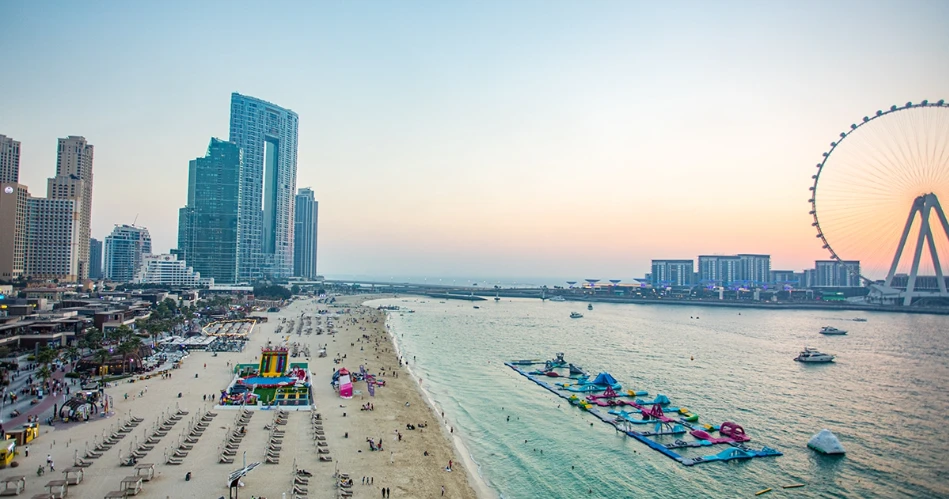
New Dubai boasts two beach spots, which are JBR Beach and Kite Beach. JBR Beach offers an impression of both Marina skyscrapers and beautiful decorations in the form of very good cuisines or water sports. Kite Beach caters to those who prefer more sports-oriented leisure time at the beach, which can be achieved through kitesurfing, walking on specially designed paths, and experiencing relaxing views of the azure waters of the Arabian Gulf.
Address — JBR Beach: The Beach, JBR, Dubai, United Arab Emirates.
Address — Kite Beach: Jumeirah Beach Road, Dubai, United Arab Emirates.
What Are the Leading Attractions in New Dubai?
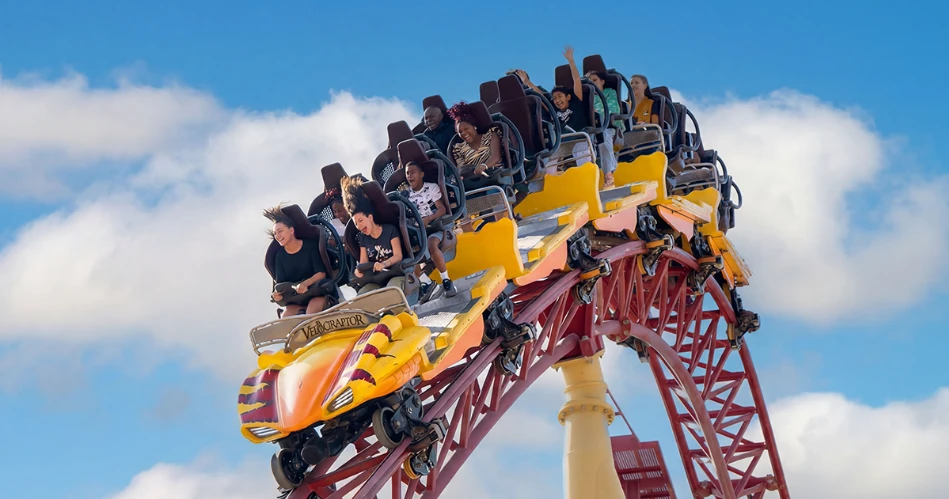
New Dubai has some of the most well-known sights in the city, each one being a unique experience for visitors. Downtown Dubai has a collection of eye-catching and grand structures with different entertainment hot spots such as Burj Khalifa and its observation platform that overlooks the entire city from an altitude that cannot be imagined.
Moreover, it is located close to Dubai Fountain, which turns the waterfront into a show with water, music, and lights.
Address — Dubai Fountain: Burj Lake, beside Dubai Mall, Downtown Dubai, Dubai, United Arab Emirates.
What Are the Do’s and Don’ts in New Dubai?
Planning and being detail-oriented pays off for travelers in New Dubai due to the numerous attractions and experiences to choose from. The best experience should be requested ahead of time and purchased beforehand. Although it is necessary to wear elegant clothes, keeping in mind to wear respectful garments is essential, especially when one is in public or formal venues.
New Dubai vs. Old Dubai: How Do They Differ from One Another?
Old Dubai reflects the city’s rich heritage, traditional culture, and trading history, while New Dubai showcases its modern lifestyle, futuristic architecture, and luxurious attractions. From historic souks and Dubai Creek to towering skyscrapers, grand malls, and stylish waterfronts, each side offers a completely different experience of Dubai.
Traditional vs. Modern Lifestyle
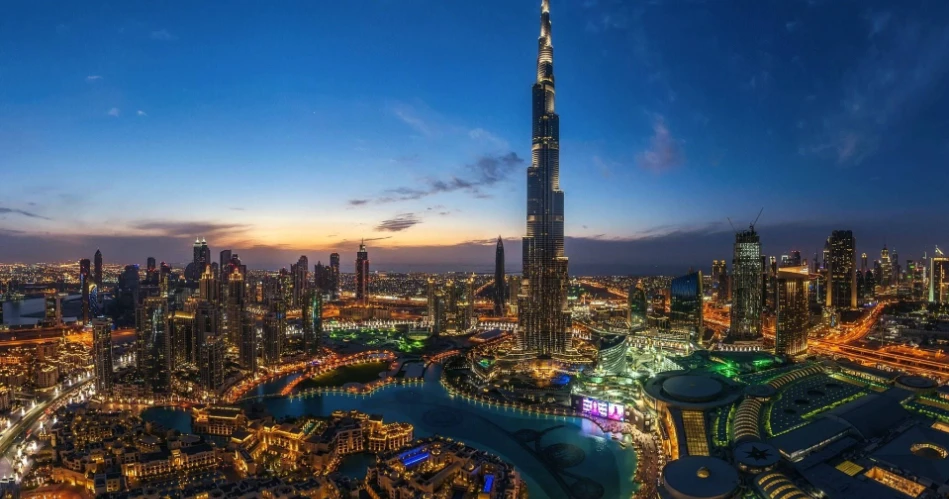
Old Dubai shows the historic side of the city by presenting ancient places, traditional styling, museums, and busy marketplaces. Meanwhile, New Dubai is represented by futuristic constructions, luxury houses, distinctive high-rise buildings, and modern attractions.
Budget-Friendly vs. Luxurious Value
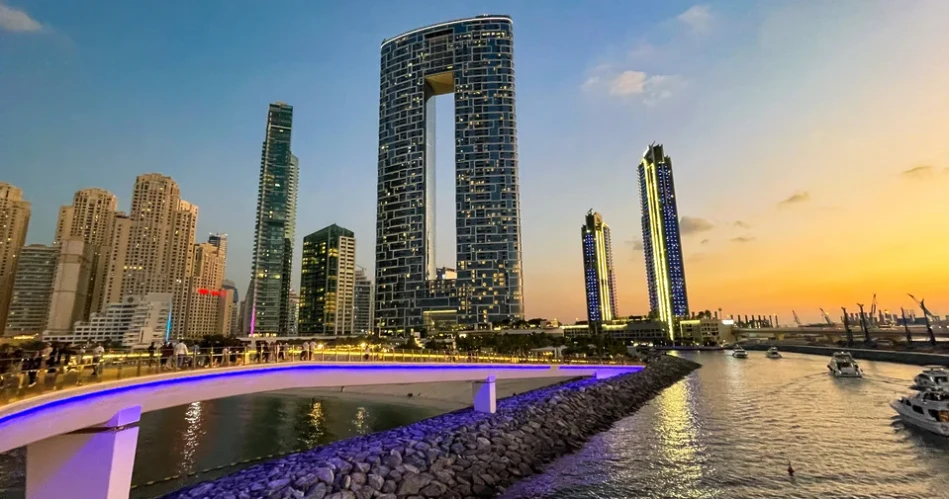
Those who want to save money can find decent accommodation, local restaurants, and shopping in Old Dubai. On the other hand, New Dubai tends to involve elite hotels, gourmet restaurants, exclusive beach activities, and luxury entertainment.
Classic Souks vs. Huge Malls
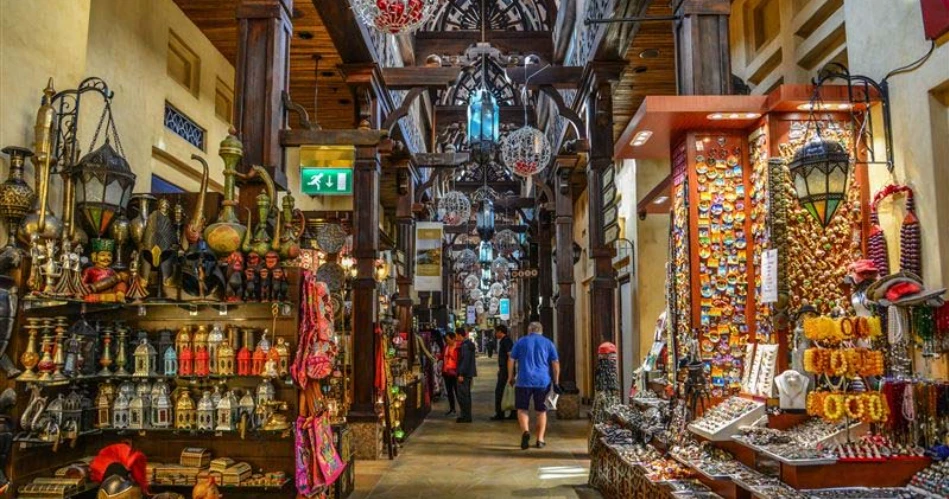
Shopping in Old Dubai revolves around exuberant bazaars, namely the spice and gold souks, where haggling is commonplace. New Dubai, in contrast, makes use of big shopping malls with international brands and luxury stores where products have fixed prices.
Antique Allure vs. Busy Vibe
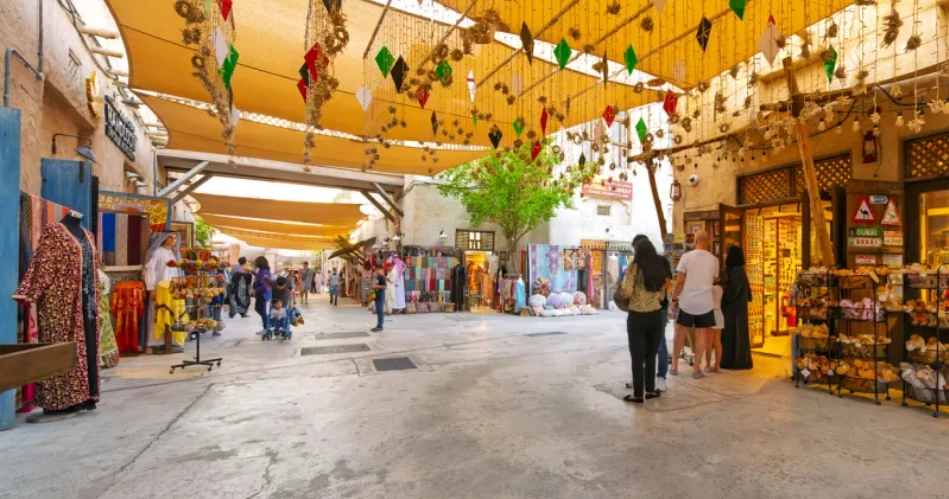
Old Dubai creates a more old-fashioned ambiance due to its narrow alleys, waterfronts, and places of interest. New Dubai, on the other hand, attracts people with its developed highways, skyscrapers, nightclubs, and cosmopolitan atmosphere.
Which One Should You Choose?
Old Dubai and New Dubai depict the two faces of the city. Old Dubai is home to heritage, traditional souks, ancient neighborhoods, Dubai Creek, as well as well-known cultural sights, whereas New Dubai is represented by tall buildings, luxury shopping malls, modern architecture, and upscale resorts equipped with futuristic attractions.
Both places reflect how Dubai has transformed from a traditional center of trade to a global city. Begin your morning with a visit to Al Fahidi Historical Neighborhood because of its wind-tower houses and narrow streets, which offer authentic Arabic coffee.
When visiting Old Dubai, one should take an abra to cross the Dubai Creek and discover the history of trade of the city. In the evening, the journey could continue downtown with breathtaking views of Burj Khalifa and its light show at night.
Suggestions for Traveling in Old and New Dubai
Public transportation is your friend: The Dubai Metro allows you to travel easily between old and new neighborhoods in Dubai. You can also use taxis in areas away from the station. Dress properly in Old Dubai: When exploring historical regions, traditional markets, and cultural sites, make sure to dress modestly.
Visit places at cooler times of the day: Early mornings and evenings are preferable for visits to open-air markets and historical areas, where it might become too hot during the day.
Stay at Zagy Hotel for a convenient Dubai base near Baniyas Metro Station and the Gold Souk. Enjoy practical accommodations and easy access to the historic side of the city.

About Author
Isla is known as one of the best female solo travel bloggers today. She has been to Europe, UAE, and America and has penned down her experience in her blogs to inspire other travel enthusiasts.